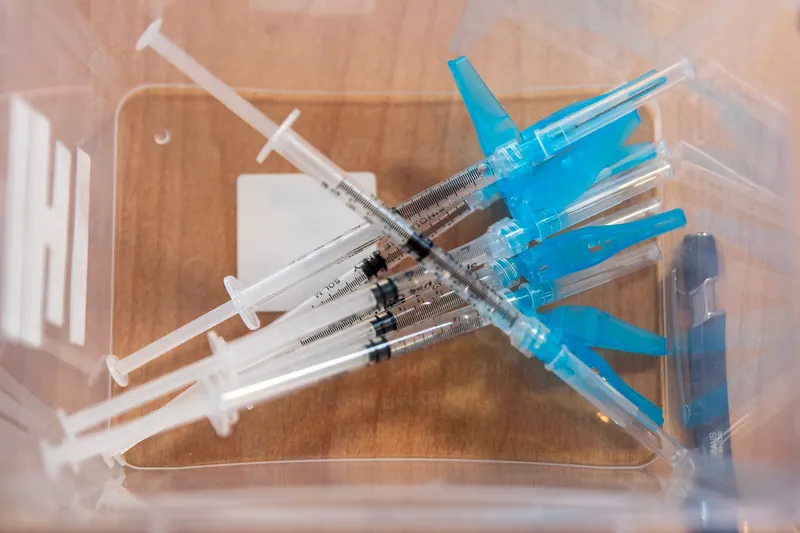
Needle and Sharps Cleanup
Needle and sharps cleanup for yards, rentals, parks and encampments.
See needle and sharps cleanupGet needles, pipes, baggies and unknown residue removed from a home, rental, workplace, vehicle or outdoor area in Westview. Keep people and pets away, and do not touch sharps or powder.
Drug paraphernalia cleanup is a careful removal and cleaning service for drug debris in an affected area. Needles, foil, syringes, baggies and pipes are collected, while related residue and biological contamination are cleaned.
Properties served may include homes, hotels, apartments, workplaces, rental units, outdoor spaces and vehicles. Technicians begin with items in view, then inspect hiding places such as vents, floor edges, furniture, bedding, drawers and nearby gaps. A rigid sharps container receives every needle immediately. Packaging for other hazardous material depends on its condition and the waste rules that apply.
Drug debris removal is not the same as meth lab cleanup. Loose paraphernalia and limited surface residue may fit this service. Strong chemical odors, stained containers, unusual glassware, pressurized cylinders or signs that drugs were produced require a different response. Do not enter or disturb a suspected drug lab. Follow instructions from law enforcement or the local fire department before any cleaning process begins.
You hear what areas will be searched, what can be cleaned, what may need removal and which cost factors apply before deciding how to move forward.
Personal items receive a cautious search for hidden sharps, with keepable property isolated from contaminated materials when possible.
Available waste paperwork, images and the stated scope explain the work clearly to property owners, managers, insurance companies and others responsible.
While affected areas are being cleared, crews use unmarked vehicles to keep attention low around the business, home, rental or workplace.
When residue or abandoned drug items may expose anyone working in, cleaning or entering the space, drug paraphernalia removal is appropriate. Common examples are:
When families discover smoking materials, powder or sharps in a garage, vehicle, bedroom or bathroom, they may seek help clearing the affected area.
Related debris and discarded syringes can appear in vacant lots, parking areas, alleys, parks, stairwells or loading spaces.
Grounds, break areas, storage rooms and restrooms may hold residue or sharps that routine staff should not gather.
Pipes, needles, baggies or foil can be left behind throughout bedrooms, closets, cabinets and furniture after a tenant moves out or is evicted.
Your priority is stopping all contact. Keep everything where you found it, except when an immediate hazard makes moving it unavoidable. Take the following steps next:
Call (888) 440-9227No credible public guide publishes a cost range devoted to drug paraphernalia cleanup. Published general biohazard cleanup guides are offered only as context. Their typical national range is $3,000 to $5,000 and their residential average runs from $1,800 to $4,500 in those sources. Many residential projects are listed from $2,500 to $8,000 depending on scope, with $1,500 to $25,000 representing the complete published span. A site assessment must set the actual price because collecting a few sharps is very different from cleaning residue across several rooms.
The figures shown are national ranges from published cost guides and are not based on an on-site visit. You learn what your property will cost after the on-site assessment and before any work begins.
Ask about cost: (888) 440-9227Coverage varies according to the insurance policy, contamination cause and who bears responsibility for the property. You should ask the insurer specifically about biohazard cleanup before concluding that coverage applies.
A renters or homeowners policy might approach the contamination differently according to its source. When you report the problem, identify the affected area and confirm what supporting records are needed.
A property owner or manager often arranges cleanup in a rental or common area, then addresses tenant responsibility under the lease and local rules.
Homeowners or renters insurance, the estate or the property owner usually pays for this kind of cleanup. The North Carolina crime victim compensation program helps only when a crime caused the loss. Before counting on reimbursement, contact the program to confirm whether that event and its cleanup cost are eligible.
Save disposal documents, invoices, the cleaning scope and photographs captured from a safe location. Together, those materials clarify what crews discovered and which tasks they finished.
The property and discovered materials shape each part of the work. The sequence starts by controlling the space, followed by careful searching, removal, cleaning of surfaces and an inspection at the end.
Cleanup technicians identify the affected areas, visible sharps, possible residue, porous materials and spaces that need a careful search.
Access is limited, and protective gear is selected for puncture hazards, unknown residue and any related biological contamination.
Using appropriate tools, workers pick up exposed needles without recapping or bending them and put them straight into a puncture-resistant sharps container.
Likely concealment spots such as furniture, vents, drawer interiors, bedding and floor perimeters are carefully checked in rooms and surrounding areas.
Workers match hard-surface cleaning to the residue and keep an EPA-registered disinfectant wet for the label contact time when biological contamination exists.
Porous items that cannot be cleaned fully are separated, documented and packaged so residue or sharp objects do not spread during removal.
Sharps and other hazardous waste are kept in suitable containers and directed to an authorized disposal route under the applicable rules.
A final search looks for overlooked objects, inspects cleaned surfaces and prepares photographs or documentation for the property owner.
Phone any hour. You speak with a drug paraphernalia cleanup specialist who outlines the process and schedules a start time with you.
Serious health risks can come from contaminated materials, broken glass, discarded needles and unidentified residue. The danger is greater when contents are not known or an object is concealed.
A powder or film cannot be identified by sight or smell. You can spread residue outside its initial location and risk unnecessary exposure by touching, brushing or vacuuming the material.
Keep unsecured sharp objects and contaminated trash out of household bags and recycle bins. Packaging, transport and waste disposal depend on the material and the rules that apply in the state.
Discarded needles can break the skin and might carry blood. Because the CDC says hepatitis B can persist on a surface for at least seven days, you should treat even an old-looking object carefully.
Can you clean it yourself? Never approach unidentified powder as you would normal household dust. If you find a single needle, keep people away and use local public health guidance for community sharps disposal. The chance of wider contamination or a sharp puncture decreases with professional cleanup if residue, multiple items, bodily fluids or hidden sharps are found.
Cleanup workers collect and remove materials when doing so is safe, then treat hard surfaces suitable for cleaning. They evaluate porous belongings by considering residue, potential punctures and whether full cleaning is possible.
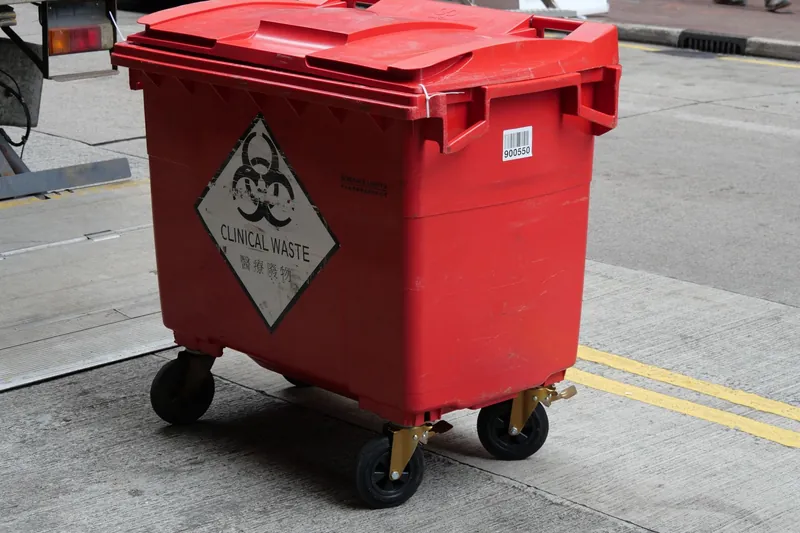
Timing depends on the quantity of debris, the extent of its spread and whether concealed sharps or residue call for close cleaning. Collecting one visible cluster is quicker than searching an entire property and removing porous materials.
| Scene | Typical time on site |
|---|---|
| Items that are visible within a single isolated area | Generally the quickest type of cleanup appointment |
| A single room containing residue or concealed sharps | Longer because searching and surface cleaning are needed |
| Several rooms, heavy debris or porous materials | Staged removal can extend the job beyond one work period |
Odor can point to smoke residue, spoiled materials, bodily fluids or chemicals, but smell alone cannot identify a substance. Do not lean close, sniff a container or use fragrance to cover the odor. Leave the area if you notice a sharp chemical smell, irritation, dizziness or signs of an active reaction, and seek emergency guidance.
Air quality treatment begins only after the source is taken away and impacted surfaces are cleaned. Once the hazard is known, HEPA-filtered equipment may suit certain particles. Never vacuum unidentified powder with an ordinary household machine. Suspected chemical production calls for an appropriate hazardous material assessment, not standard odor treatment or biohazard remediation.
The full drug paraphernalia cleanup guide covers what is cleaned or removed, odor and air quality work, and the rules that apply in North Carolina and Wake County.
Read the full drug paraphernalia cleanup guidePlanning for access, containment and cleanup can depend on local population, housing and entry conditions.
Knowing that Rex Hospital is about 3.8 miles away helps households plan where to seek care before arranging scene cleanup.
With capital-towers, capital-towers-ii, and Briarcliff close by, accurate street and unit details help avoid confusion during a sensitive response.
The neighborhood setting makes privacy especially important when equipment must pass through sidewalks, lobbies, or other visible common areas.
During your call, ask whether cleanup is available in surrounding communities and ZIP codes.
Needle and sharps cleanup for yards, rentals, parks and encampments.
See needle and sharps cleanup
After fentanyl exposure, decontamination addresses rooms, vehicles and other surfaces.
See fentanyl decontamination
Meth lab cleanup with residue testing, decontamination and clearance steps.
See meth lab cleanup
After exposure to infectious or hazardous material, the air, room and surfaces are fully decontaminated.
See biohazard decontamination
Biohazard waste pickup and disposal in sealed, labeled containers.
See biohazard waste disposal
Medical waste removal and disposal through approved treatment facilities.
See medical waste removal
Hotels, rental properties and Airbnb units receive biohazard cleanup.
See hotel, airbnb and rental biohazard cleanup
After an eviction or tenant move-out, cleanup removes fluids, waste and filth.
See eviction and tenant move-out biohazard cleanupCleaning methods vary according to the possible residue and the types of surfaces involved. Controlling who enters comes first. The process avoids dry sweeping while collecting loose hazards, treats cleanable hard surfaces with suitable products and may remove contaminated porous materials. Do not try to identify an unknown powder through contact, odor or household vacuuming.
It depends on the policy, the cause and who controls the property. Contact the insurance company and ask specifically about biohazard cleanup, drug residue and contaminated property. Retain safely captured photos, disposal documentation, invoices and the stated scope of cleanup. The ultimate payer may be determined by a deductible, excluded event or tenant liability.
Cleanup covers a detailed search for foil, needles, pipes, baggies and associated debris, proper containment, treatment of impacted hard surfaces and assessment of porous materials. When bodily fluids are found, biohazard cleaning calls for appropriate protective equipment alongside an EPA-registered disinfectant kept wet for the complete contact time on its label.
Stay out of the controlled work area while sharps and residue are being collected. You may remain elsewhere when the affected area can be contained and there is no sign of a chemical hazard. Keep animals and children away until the space is released, following any property-specific directions you receive after evaluation.
No. The scope for paraphernalia includes discarded materials, sharp objects and small amounts of residue. Chemical contamination may extend throughout a suspected meth lab property, along with fumes and materials capable of reacting. When you encounter odd chemical vessels, equipment with stains, compressed-gas cylinders or evidence of production, exit the property and contact the fire department or law enforcement.
An organized inspection covers common needle hiding spots, including bedding, vents, debris, carpet, drawer interiors, furniture seams and floor perimeters. No search should be treated as a promise that every tiny object will be found. The risk that hazardous objects are left behind decreases with proper lighting, appropriate tools, puncture safeguards and another inspection.
Respectful, discreet drug paraphernalia cleanup is available 24 hours a day, and crews arrive in unmarked vehicles.